
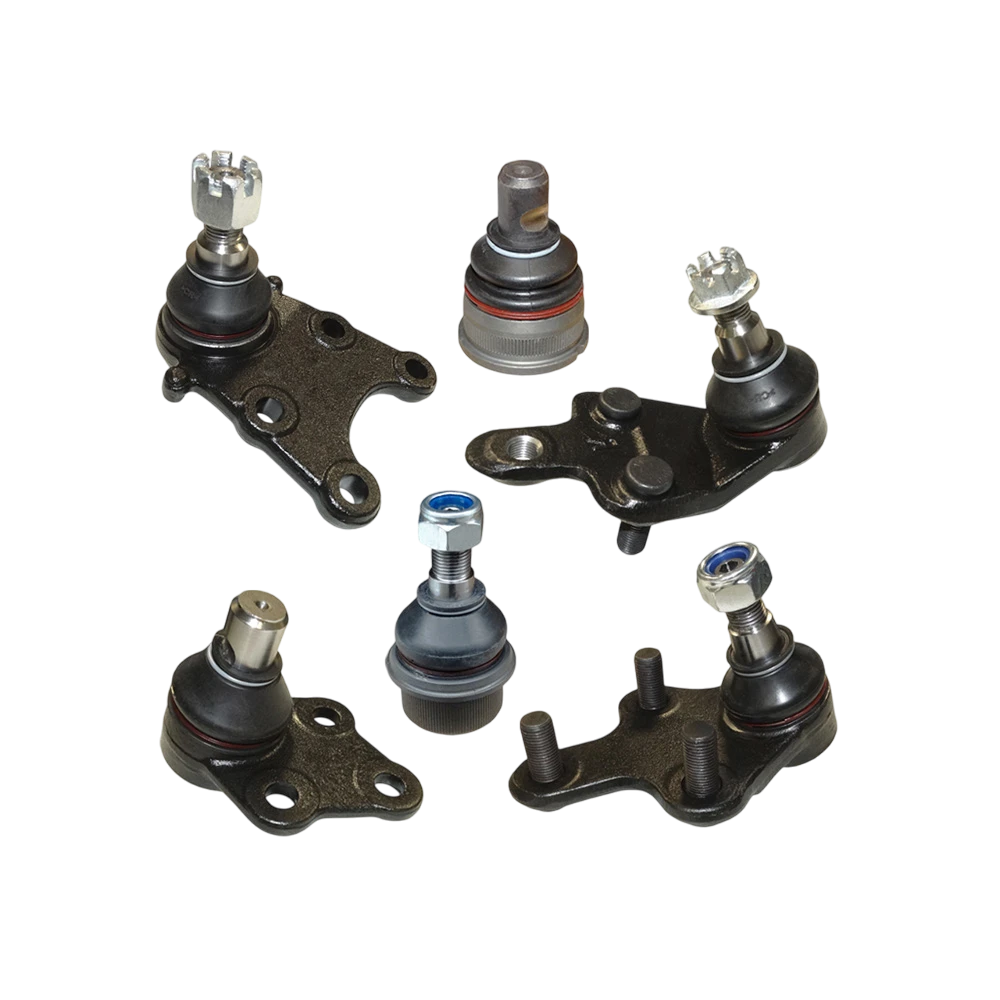
With its movable structure, the ball joint acts as a pin that adapts the shock absorber system and connects wheels positioned at different angles. Located in the front suspension, ball joints are connecting elements with a complex mechanism that allow your wheels to move up and down independently while also turning left or right. Throughout suspension travel, they enable optimal tire-to-road contact and help maintain vehicle control at the best possible level.
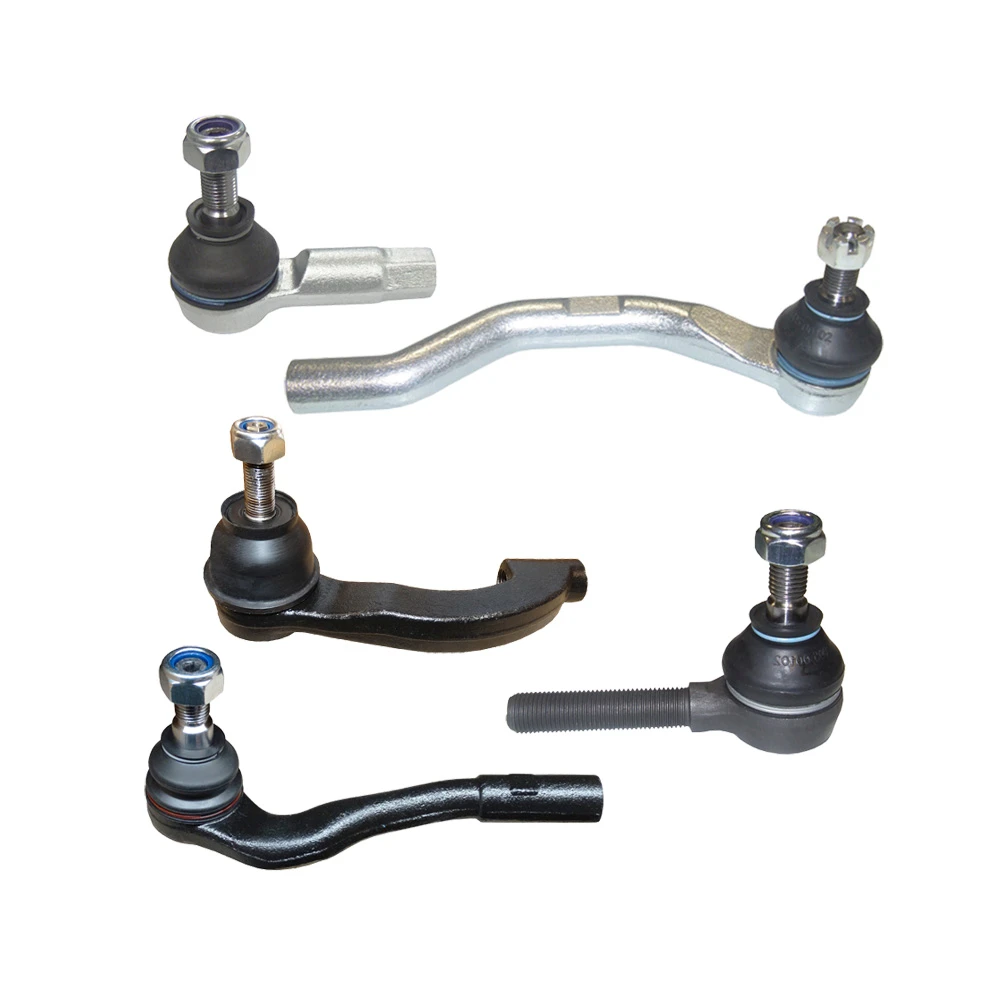
The tie rod end is one of the components that transmits movement from the steering box to the wheel. Located at the tip of the short tie rod, it is a joint that connects the short rod to the wheel carrier. Its other end is attached to the connection rod (tie rod/long rod), which is connected to the steering box. At its tip there is a spherical joint, so the pushing motion from the steering rod is flexibly transmitted to the wheel. Tie rod ends deform and wear with use, creating play; therefore, periodic replacement is recommended.
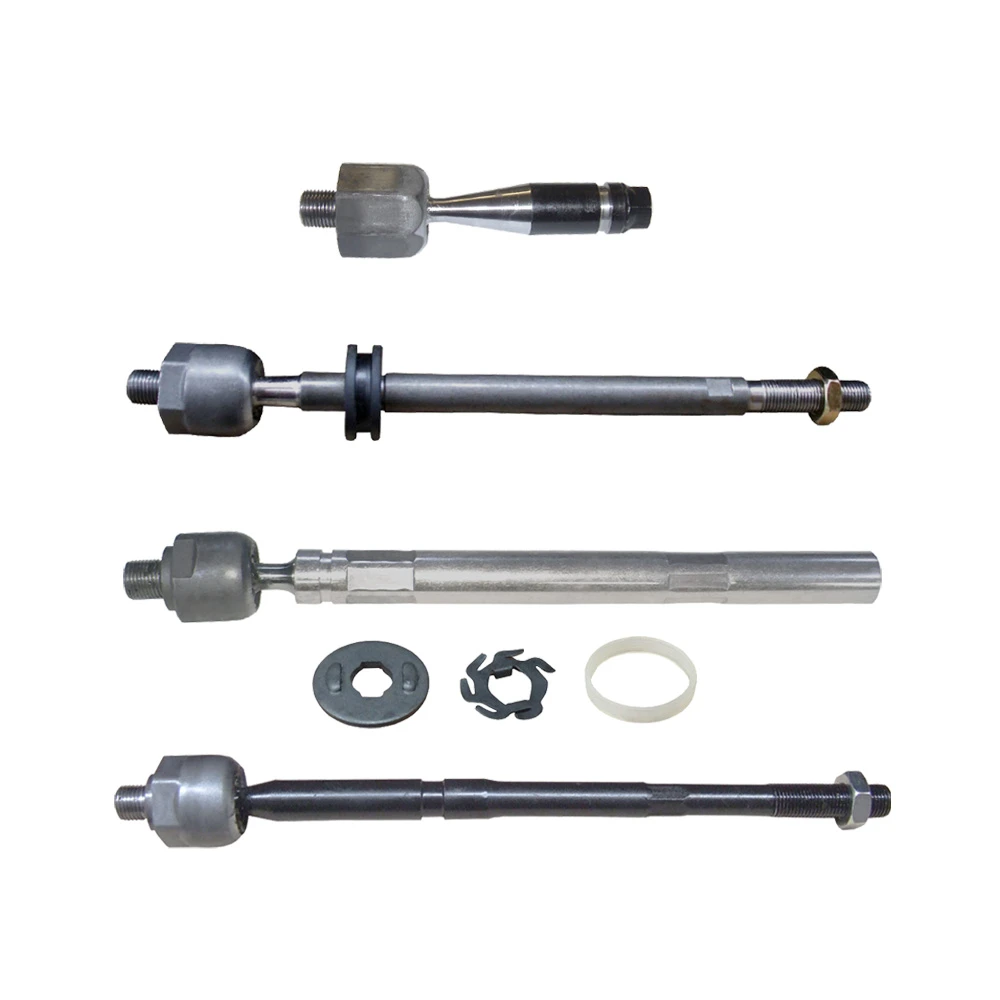
The axial joint, also known as the steering rod, is a jointed component connected on one side to the steering box and on the other side to the tie rod end. It connects the steering box to the wheel; turning the wheels left and right occurs by the pushing and pulling of this rod.
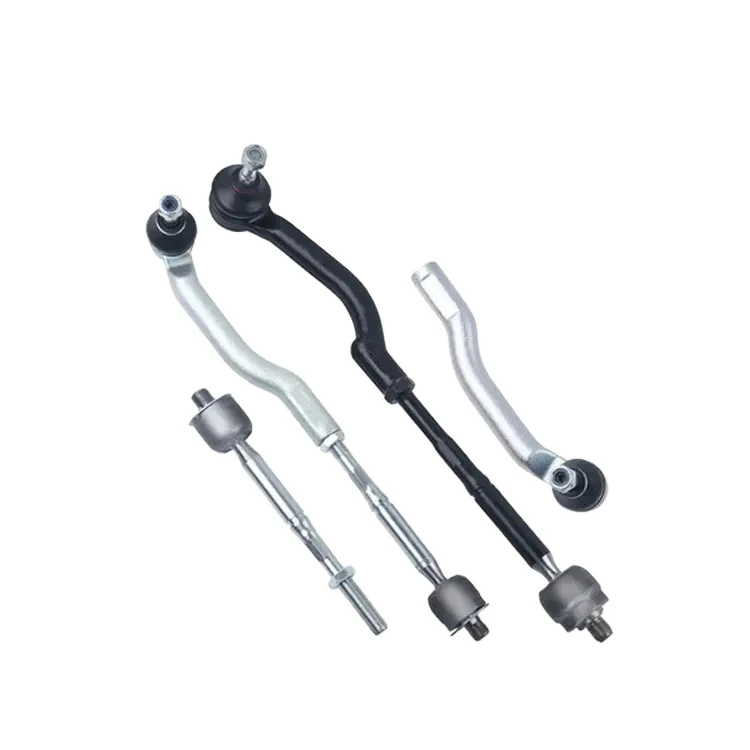
Consists of a tie rod end and a axial joint. The spherical joint at the end of the tie rod end transmits the pushing motion from the steering rod to the wheel.
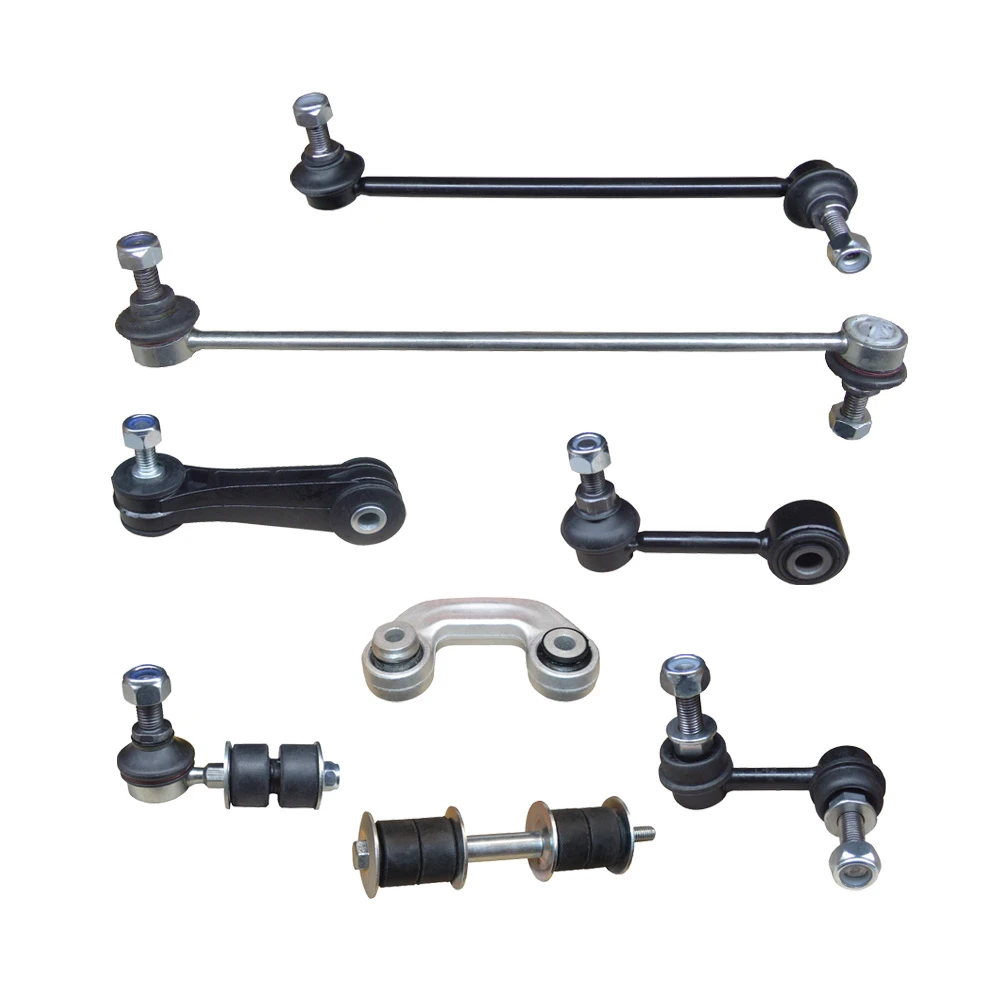
The stabilizer link (Z rod) is one of the suspension spare parts. To ensure a comfortable ride, it transfers the up-and-down movement of the wheel to the other wheel via the stabilizer bar. One end is connected to the stabilizer arm and the other end to the shock absorber.
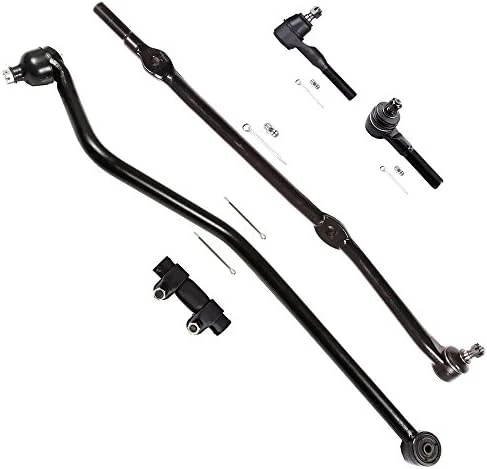
The function of the drag link is to prevent the vehicle from leaning and skidding outward due to centrifugal force when cornering. As the vehicle takes a turn, the inner tire is pressed down, ensuring a safe turn. The drag link also minimizes understeer and oversteer and increases the tires’ road holding.
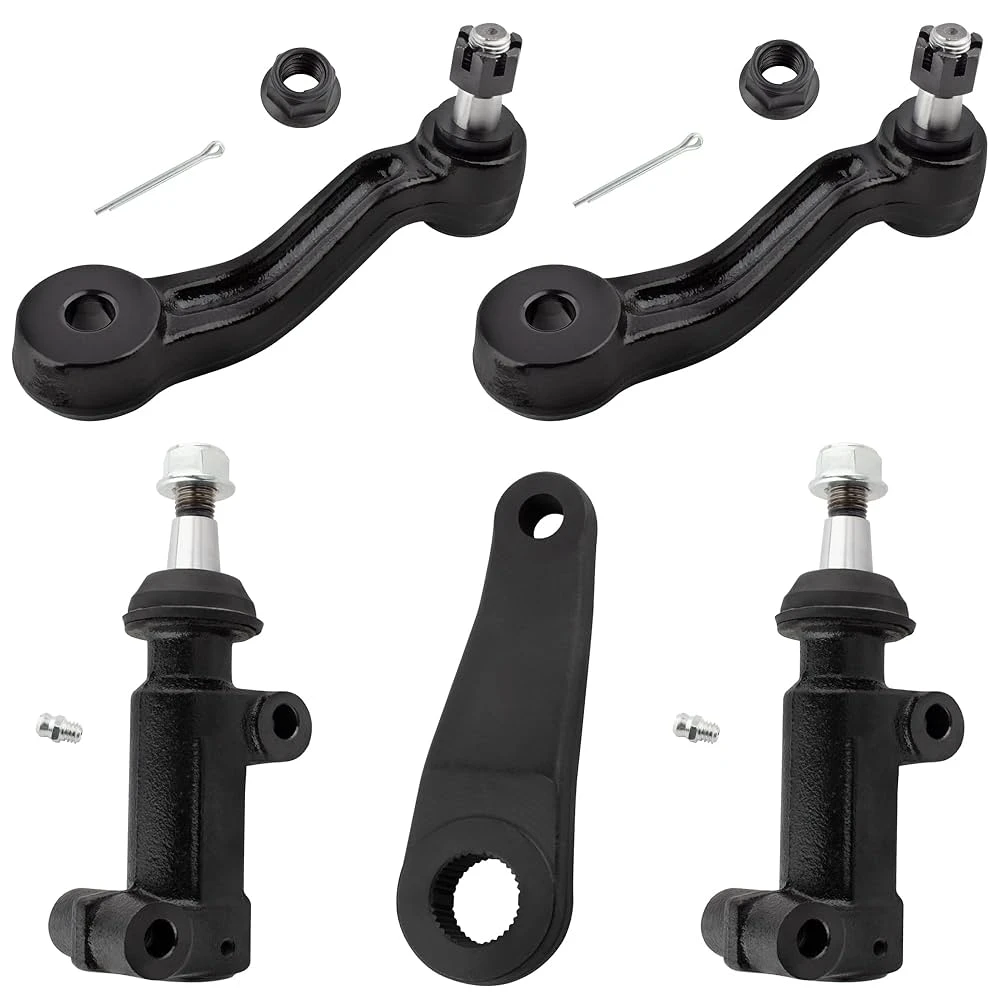
The pitman arm is used in conventional suspension systems that connect vehicle wheels moving in parallel to the chassis and centers the linkage to support the steering connection. The pitman arm is linked to the idler arm to support the wheel’s steering linkage. It operates by rotating in the direction of motion coming from the steering gear.
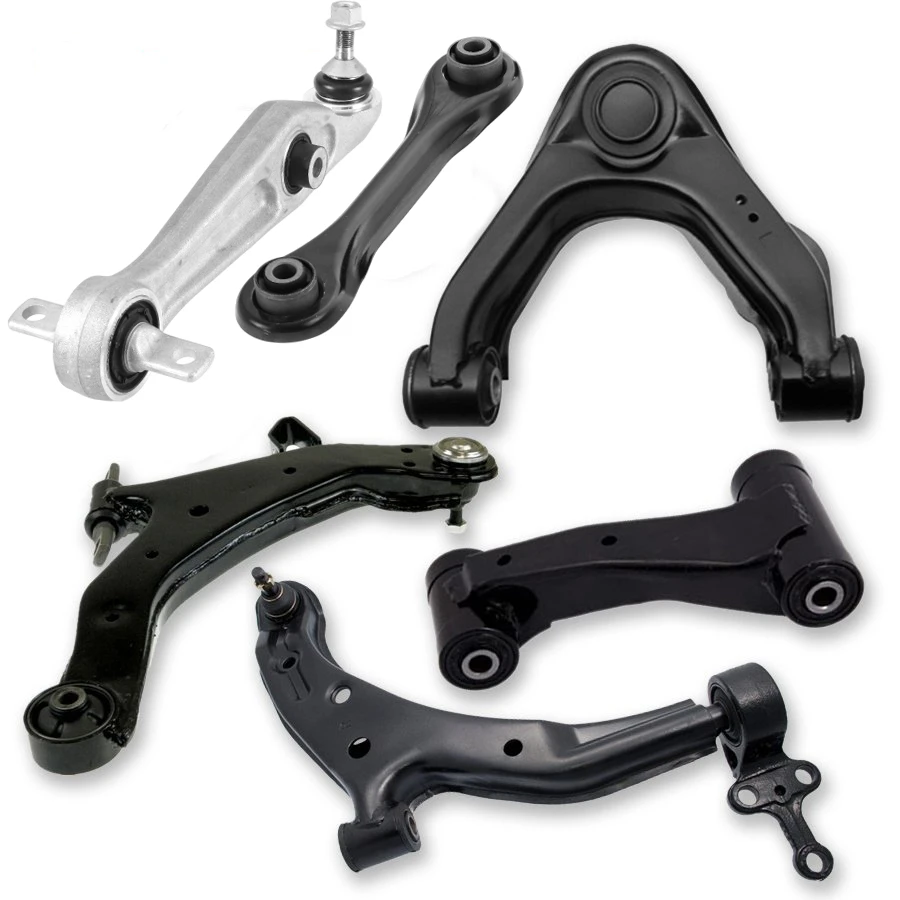
Also known as the wishbone, the control arm is located in the front suspension system. It houses the shock absorbers in the system and thus provides protection against impacts from below that may affect the front assembly of the vehicle. Control arms reduce the effect of impacts that may occur when vehicles suddenly enter potholes and similar road defects.
The spherical joint in the tie rod ends is greased and protected with a dust boot. A bellows is also installed to protect the tie rod. All of these together are called a tie rod kit. Contents:
– Axial Joint
– Tie Rod End
– Boot (Bellows)
– Grease
– Clamp
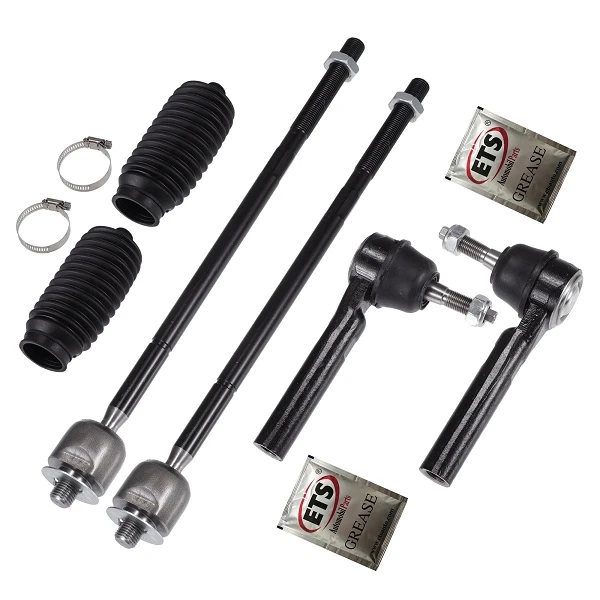
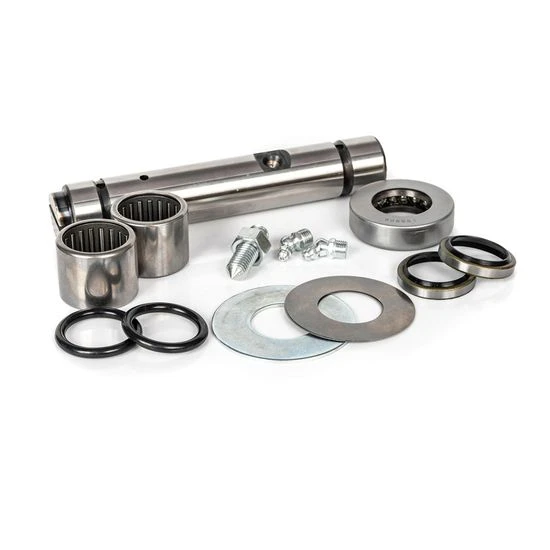
These are sets consisting of interconnected parts that can vary according to need, usually created by adding a control arm compatible with complete tie rods. Replacing the repair kit offers a longer service life and a more comfortable driving experience.
There are two different connection points on the control arm to be integrated into the suspension system: the ball joint and the control arm bushes. Control arm bushes are bearings made of a rubber–metal composite used to connect the control arm to the chassis. Thanks to rubber or polyurethane material placed inside a cylinder, the bush prevents vibration and noise that would occur from metal-to-metal contact.
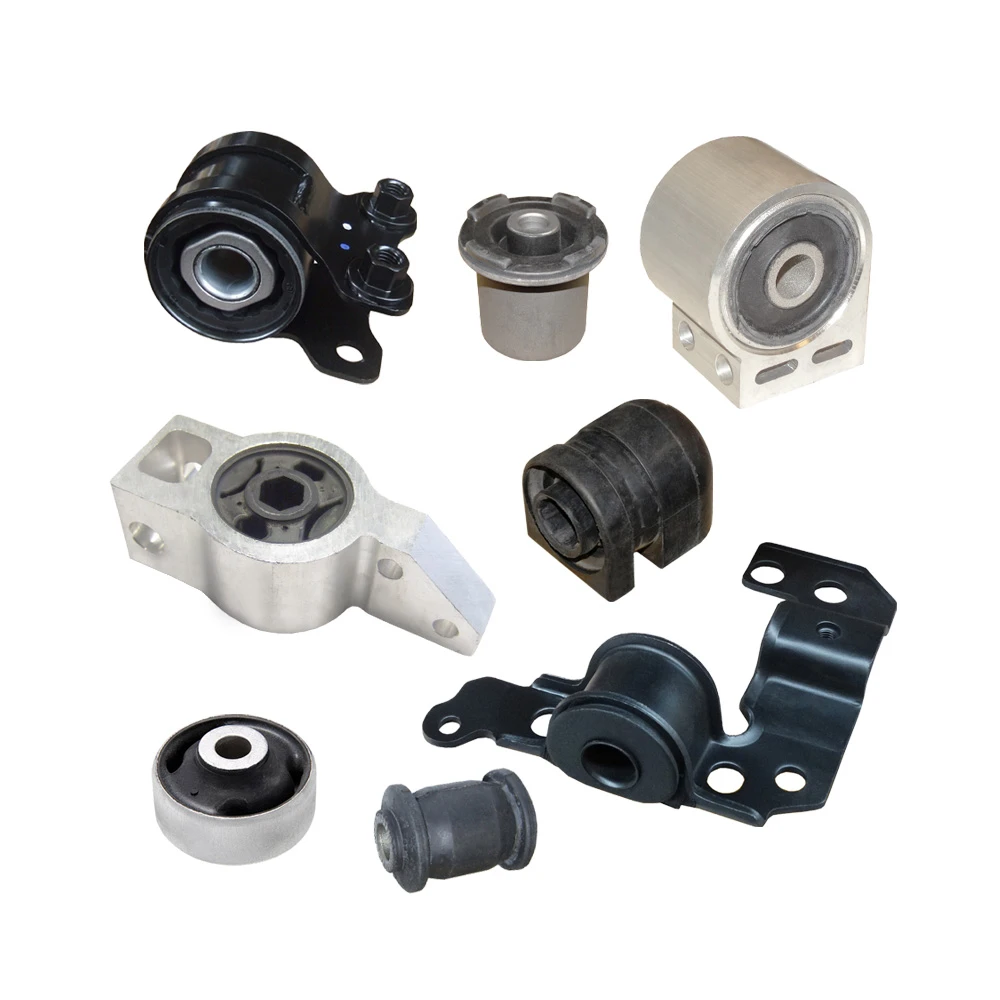
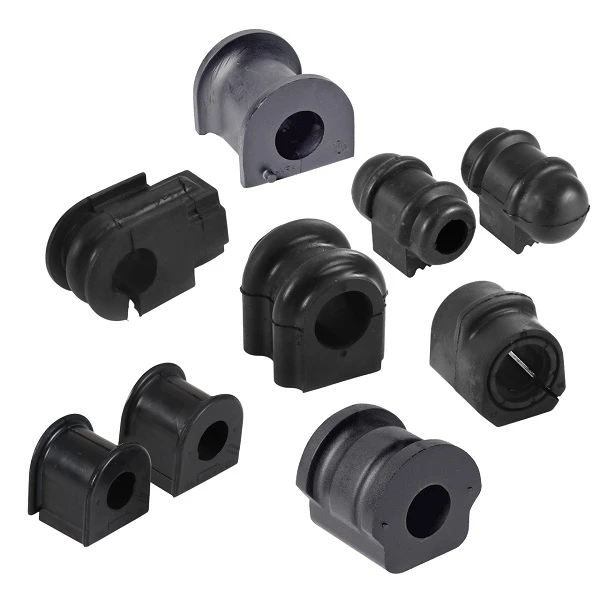
The Stabilizer Link Rubber bears the pressure intensely applied to one side of the vehicle in corners due to centrifugal force and is essential for the vehicle to continue driving safely. Using rubber as the material both prevents damage from metal impact and reduces noise that would otherwise cause discomfort.
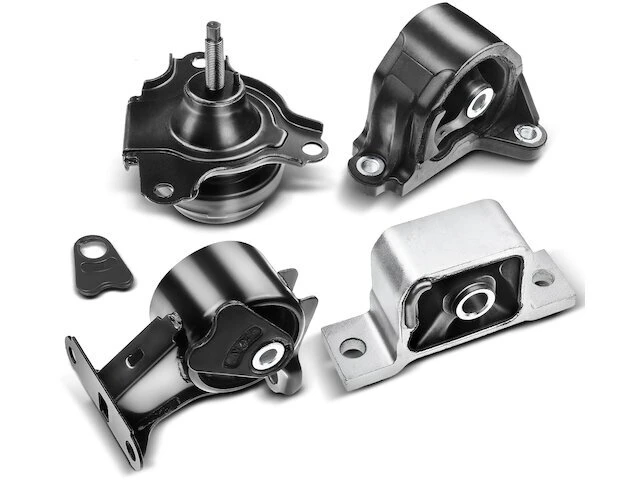
An engine mount (or engine support) secures the engine to your vehicle. It also minimizes vibration and engine shake. Although their sizes, shapes, and materials vary, they are all used for the same purpose. Engine mounts are generally made of metal and rubber. The metal withstands the forces and torque produced by the engine, while the rubber absorbs and reduces vibrations. Rubber also prevents metal-to-metal contact.
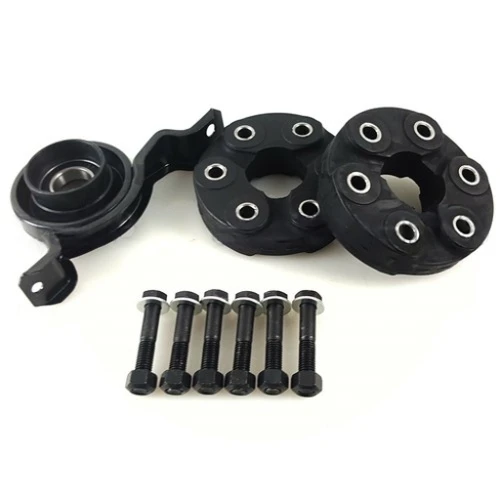
Shaft couplings provide flexibility to the propeller shaft that transmits motion from the transmission output to the differential. The shaft coupling is the connecting element between the transmission and the propeller shaft. Its main task is to provide the flexibility required by the shaft.
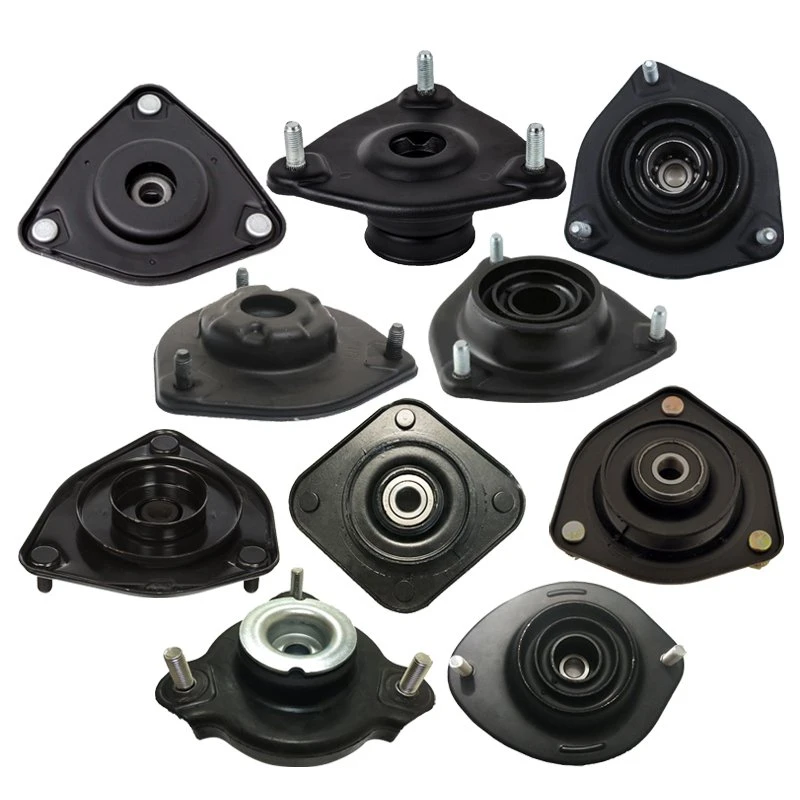
The strut mount connects the suspension to the vehicle’s chassis. Also known as a strut top mount or strut tower mount. Made of rubber, these mounts dampen vibrations that occur when driving over potholes, rough roads, and speed bumps.
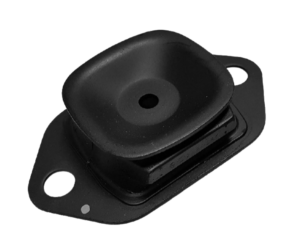
The support mount supports the transmission and is used to prevent transmission vibration and noise while the vehicle is running. It consists of rubber inside and metal on the outside. The rubber bushing and metal part are inseparable. The rubber or polyurethane bushing isolates vibrations and reduces noise levels in the cabin. The steel metal part secures the transmission to the vehicle body. In short, like the engine mount, it reduces vibration with its rubber material and prevents the chassis from shaking.
The boot is made of flexible rubber parts and protects CV joints from dust and dirt while preventing grease from leaking out. Over time, depending on operating conditions, exposure to heat or cold, or impacts, axle boots may tear. Boots are manufactured from rubber raw material and have a service life similar to tires.
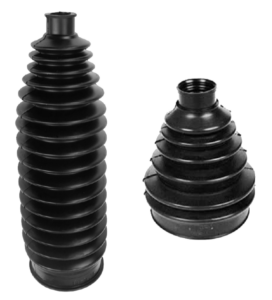
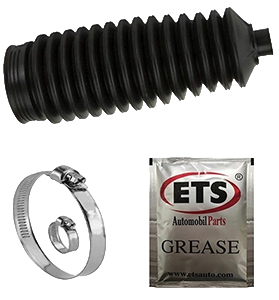
The bellow kit includes the bellow, grease, and the appropriate clamp.
This is the hose that carries air from the engine to the air filter. Also known as the air intake hose. It is very important for the proper operation of the engine.
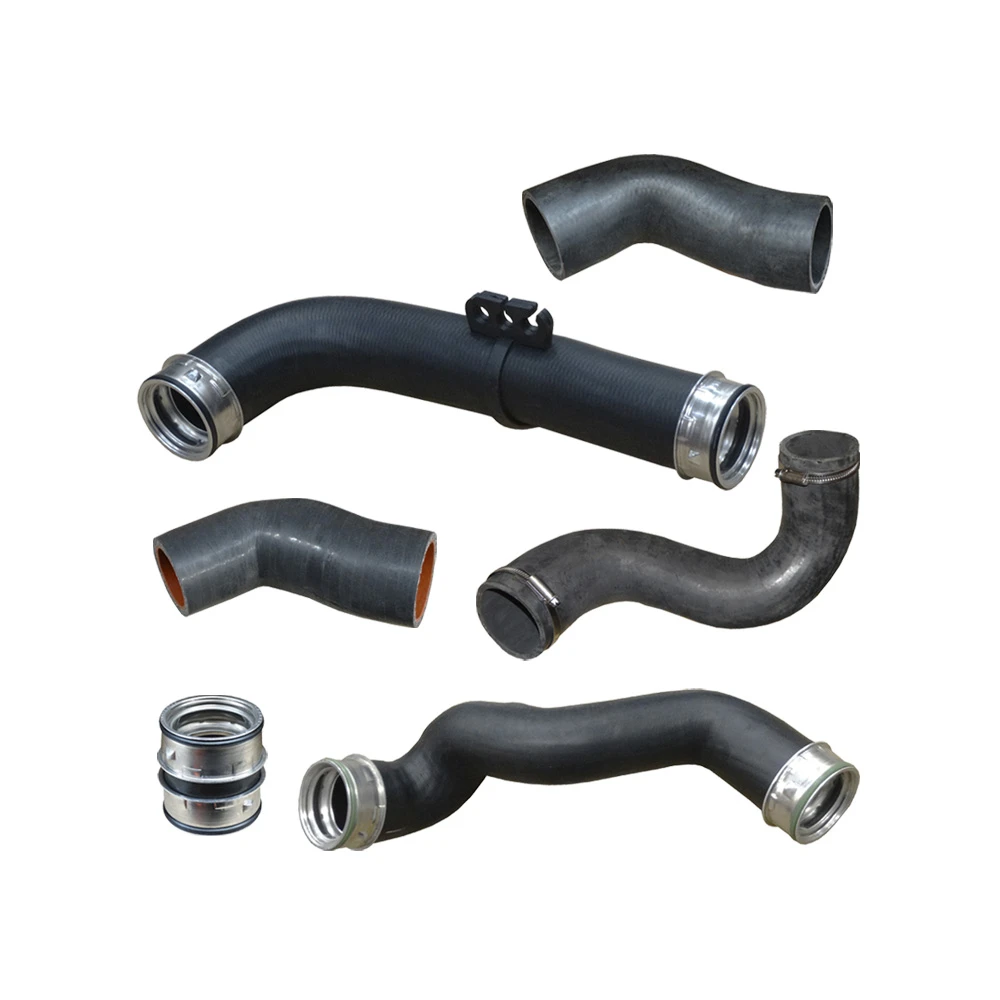
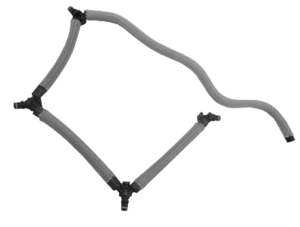
These hoses, usually made of metal or plastic, serve as the distribution path for the engine’s fuel.


Save your email address to stay informed about new developments.